
Recommended tools
Tools and Supplements to Rebuild Your Midlife
You don’t need all of this. Meaningful change doesn’t take a lot of equipment, so I’ve kept this list to the essentials: the few tools that genuinely make a difference. Each pick is matched to a specific step in the Rebuild Your Midlife programme, so choose what fits your life and skip the rest.
This page contains affiliate links. If you make a purchase after clicking on the links, we may earn a small commission at no extra cost to you.
On this page





Protein
Make protein effortless
Quick guide: dairy suits you? Start with whey. Dairy-free or sensitive stomach? Choose pea. No time to prep? Keep bars as the backup, not the base.
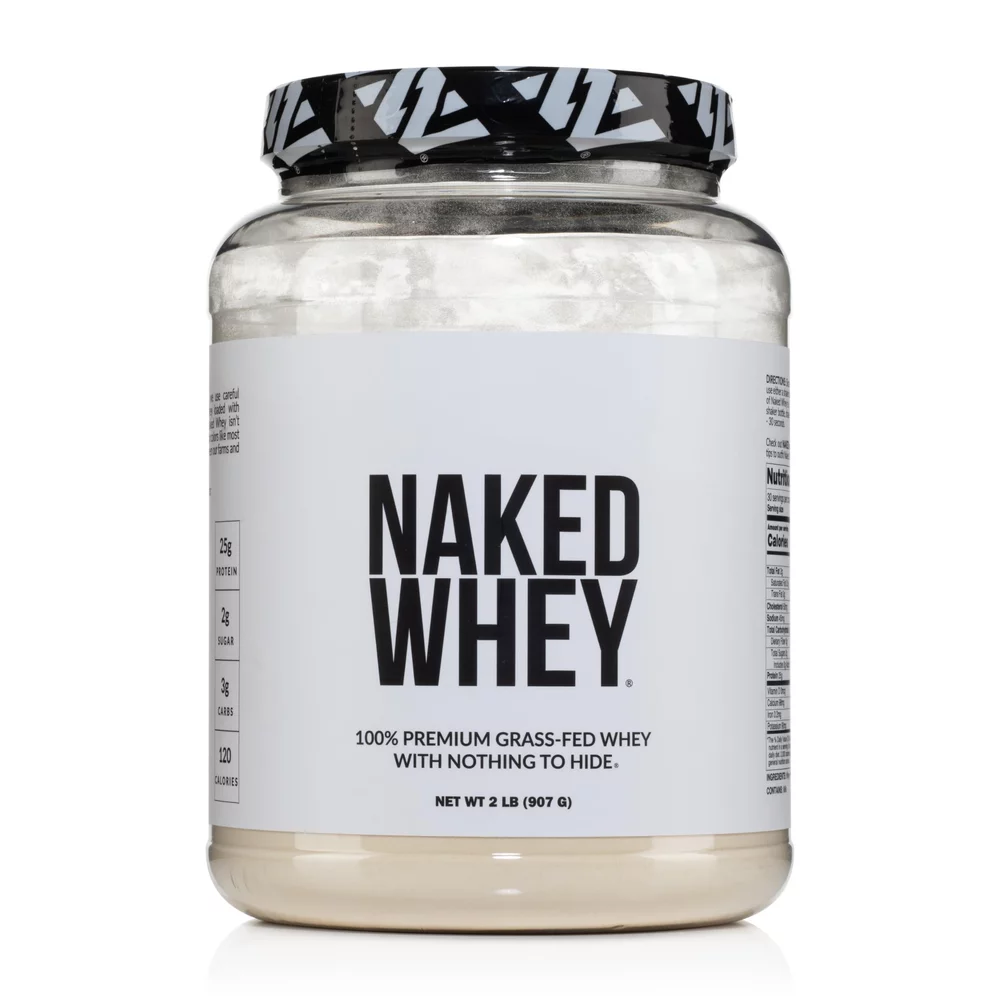
Whey Protein
Crush your protein goals. One ingredient, grass-fed whey. No added sugar, sweeteners or fillers.
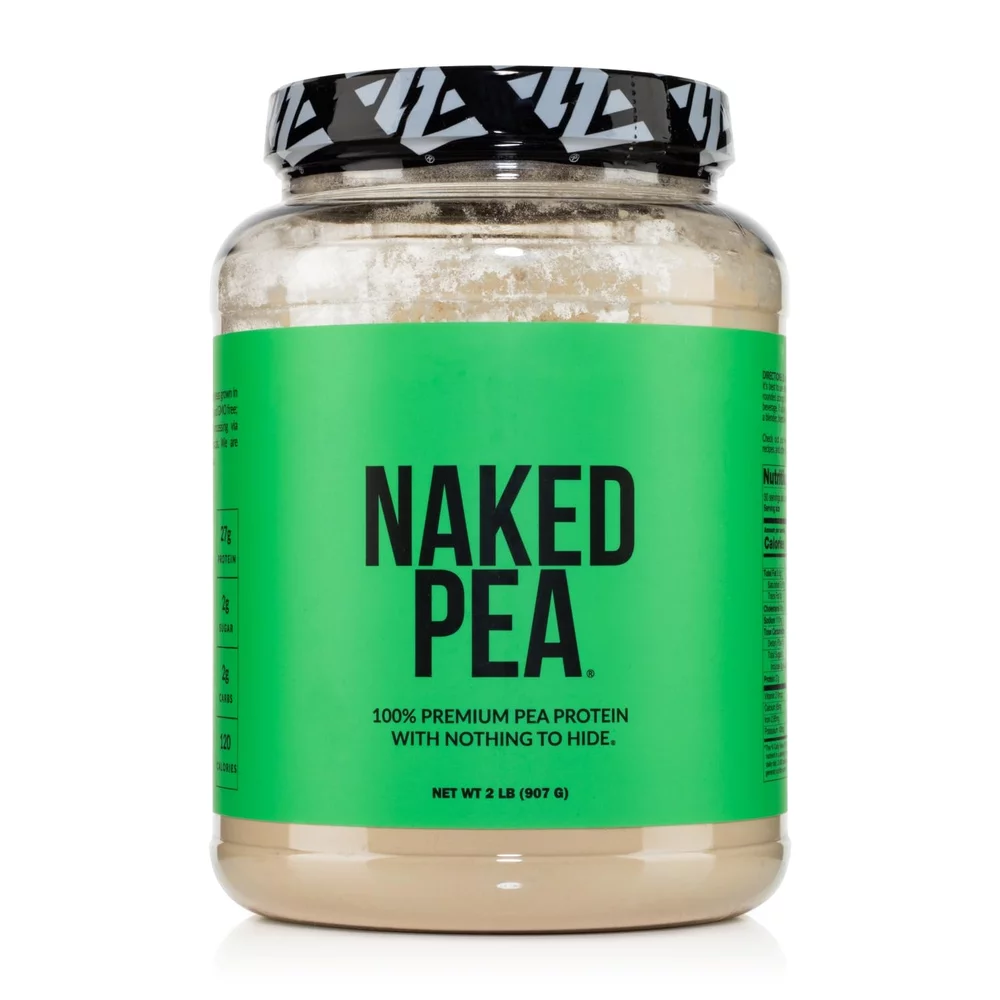
Plant-based Protein
Vegan? Dairy intolerant? No problem: One ingredient, yellow pea isolate. Dairy-free, vegan and easier to digest.
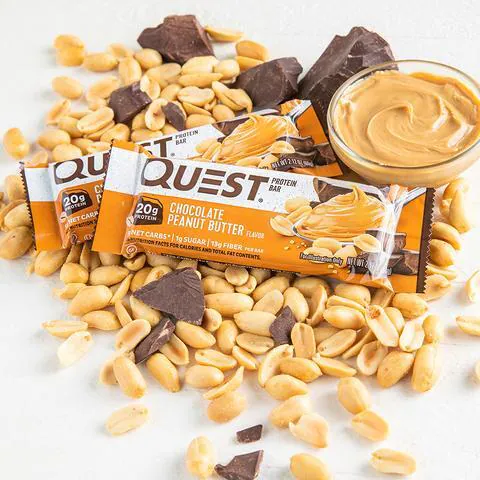
High-Protein Bars
Busy day? A protein hit when there’s no time to prep, so a hectic day doesn’t default to coffee and biscuits.
Resistance training
Start resistance training at home, build from there
Quick guide: Begin with bands. Move to adjustable dumbbells when bands feel easy. Choose the all-in-one set only if you have the space and want variety. No equipment at all? Bodyweight is a fine start.
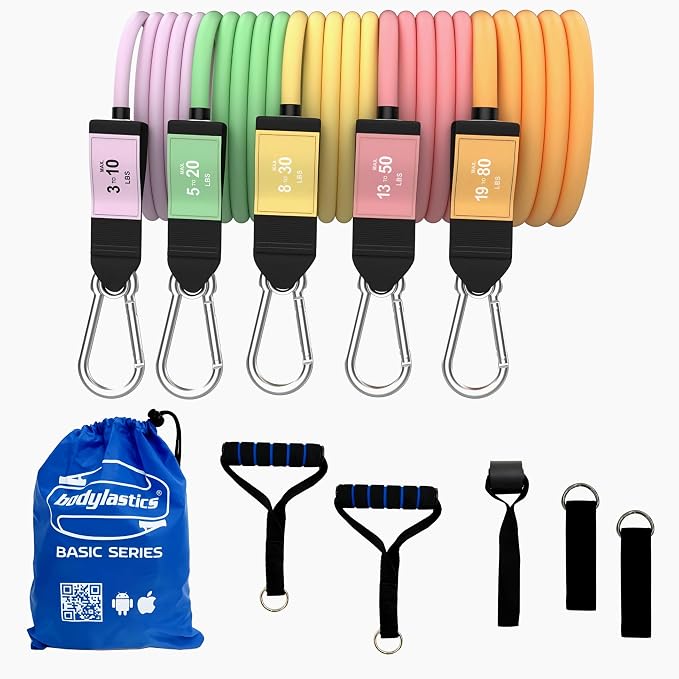
Resistance Bands
A beginner-friendly starting point. Light, cheap, fits in a drawer, and the resistance scales as you get stronger.
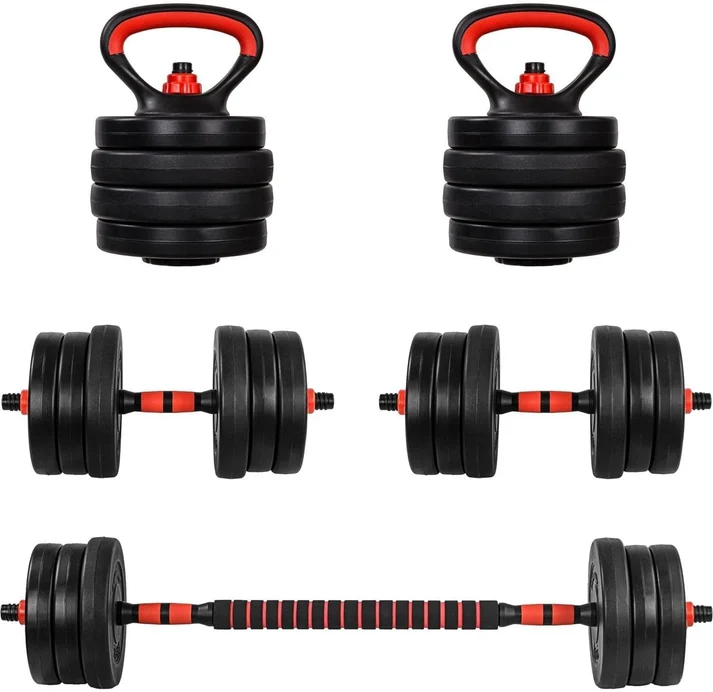
All-in-one Dumbbell Set
Your home gym. This multifunctional set converts into dumbbells, kettlebells, a barbell, weight plates and a push-up stand.
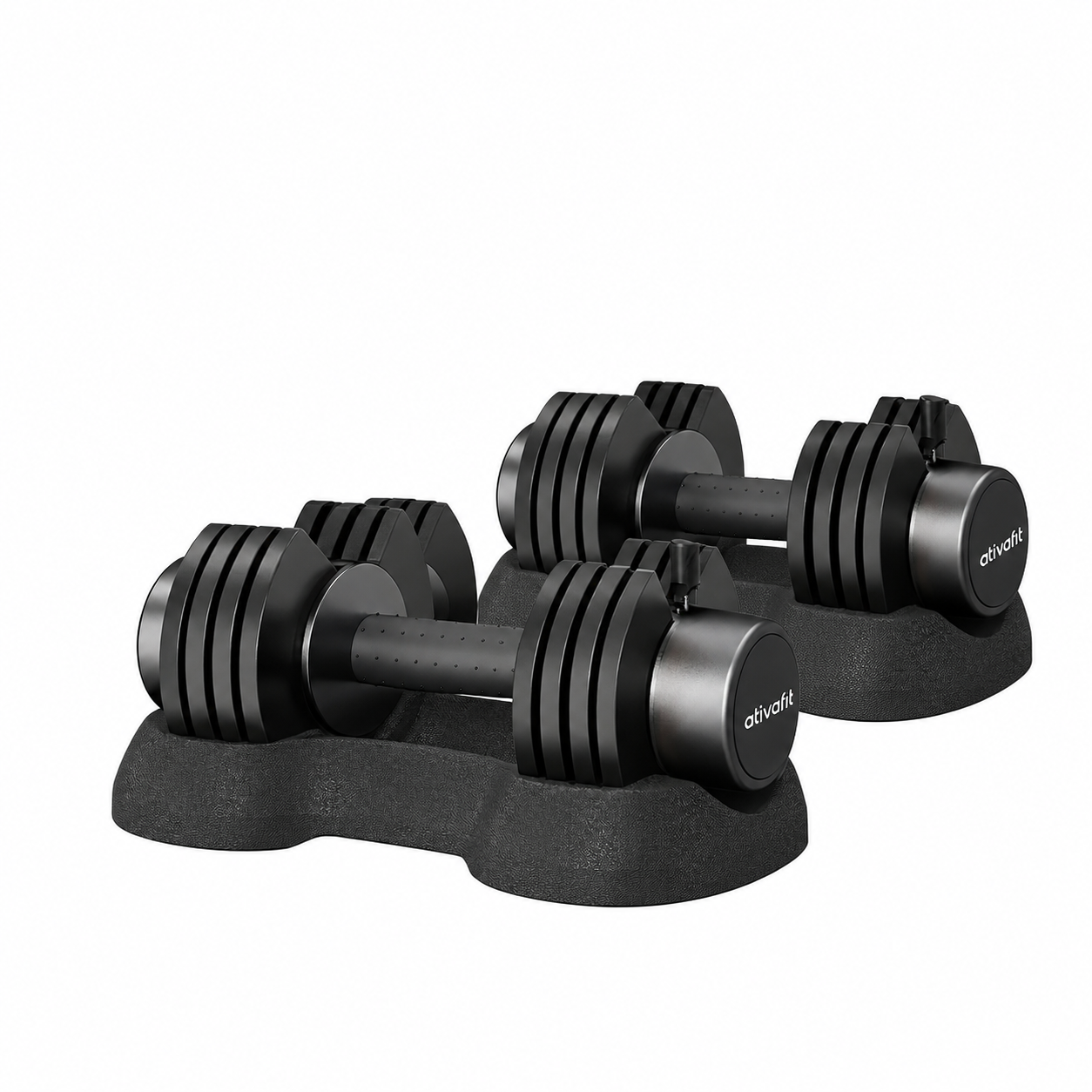
Adjustable Dumbbells
Best long-term value. One adjustable pair replaces a whole rack of weights. Gradually lifting heavier keeps building strength.
Kitchen tools
Remove friction, make the healthy choice the easy choice
Quick guide: pick the one tool that removes your biggest daily hurdle. Dinner decisions: meal prep containers. Skipped shakes: the blender. Veg that never gets eaten: the food processor.
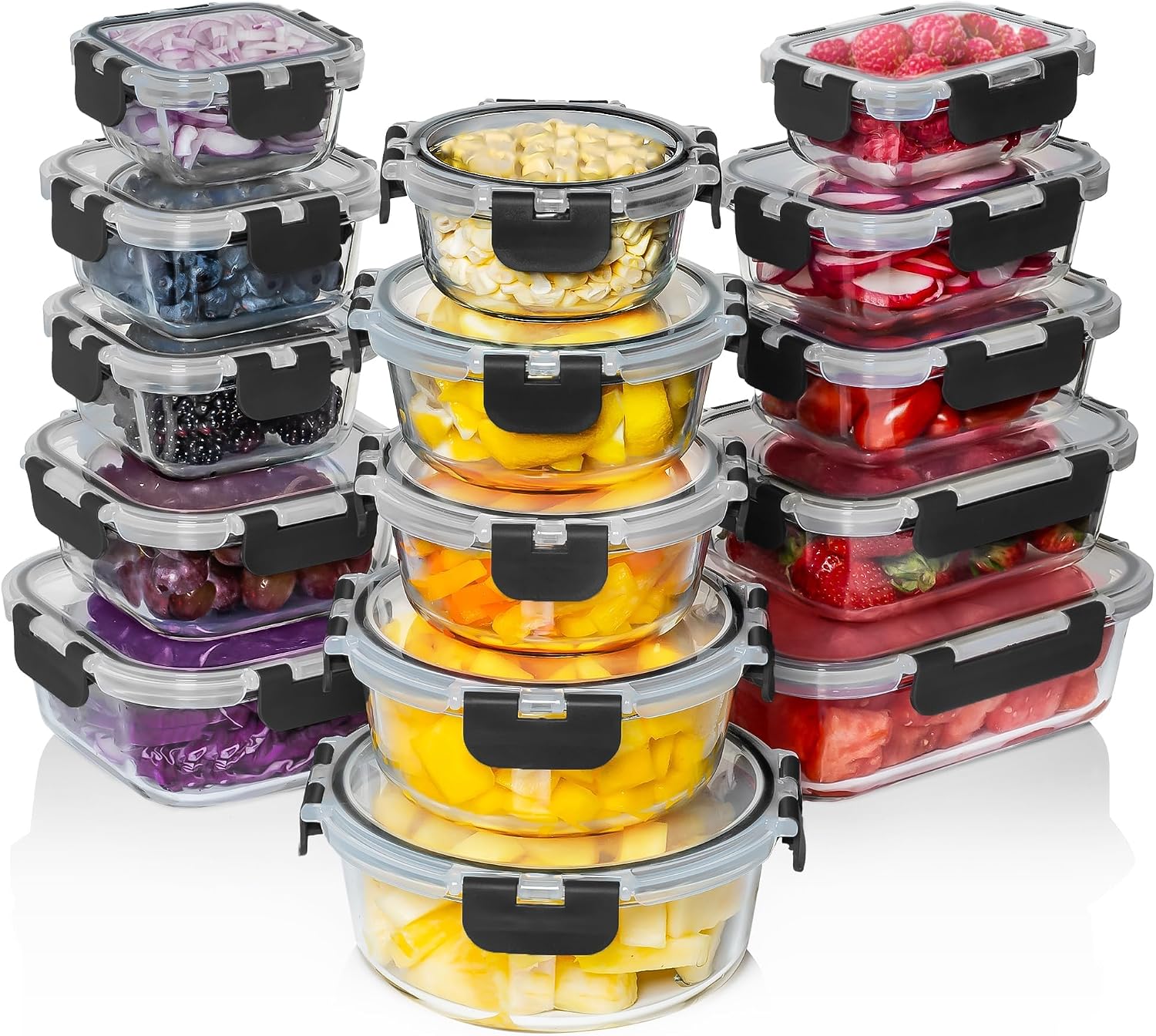
Meal Prep Containers
Why it matters for you. A planned meal beats willpower at the end of a long day and keeps protein on track.

Personal Blender
Blend. Sip. Go. Habits survive when they take a minute. Blend your protein smoothies, also great for sauces and soups.
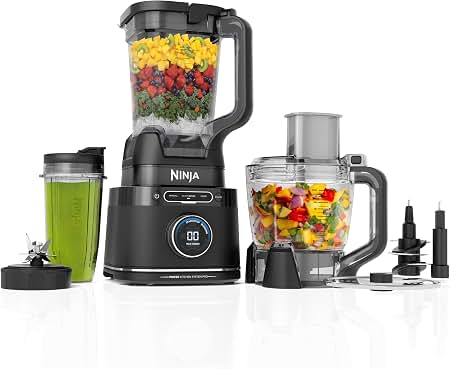
Power Blender & Food Processor
Prep in minutes. Chopping veg and blending dips or bean-based meals takes minutes, so more fibre and protein actually make it onto your plate.
Supplements
Supplements: only what’s worth it
Quick guide: Food, strength training and sleep do the heavy lifting. Supplements only fill gaps. If you try one thing, start with vitamin D, and ask your GP about testing your levels first.
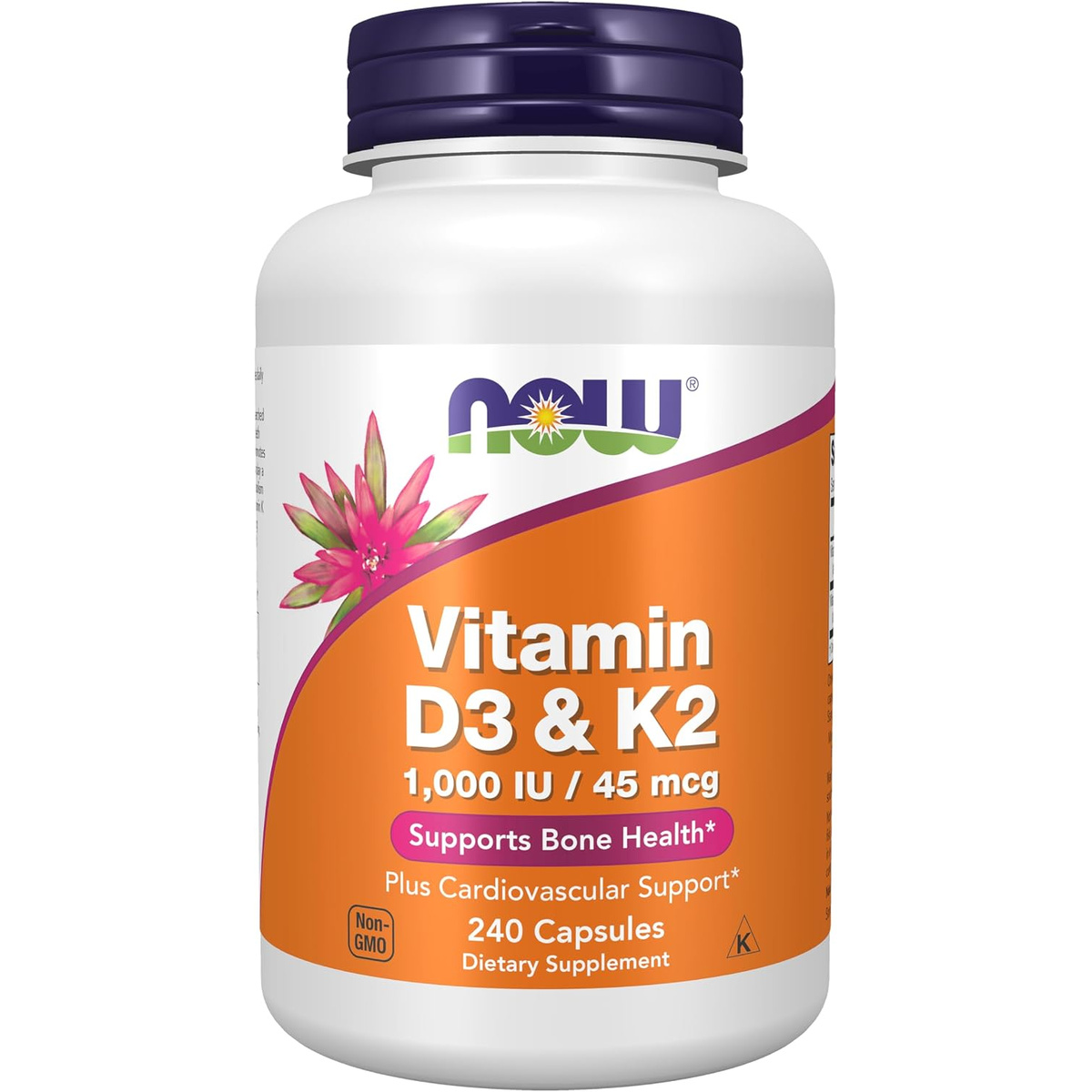
Vitamin D3 & K2
Stronger bones, one capsule. Bone loss speeds up around the menopause transition. Vitamin D helps your body absorb calcium, and many people run low in darker months. Vitamin K2 plays a role in how calcium is used in the body.
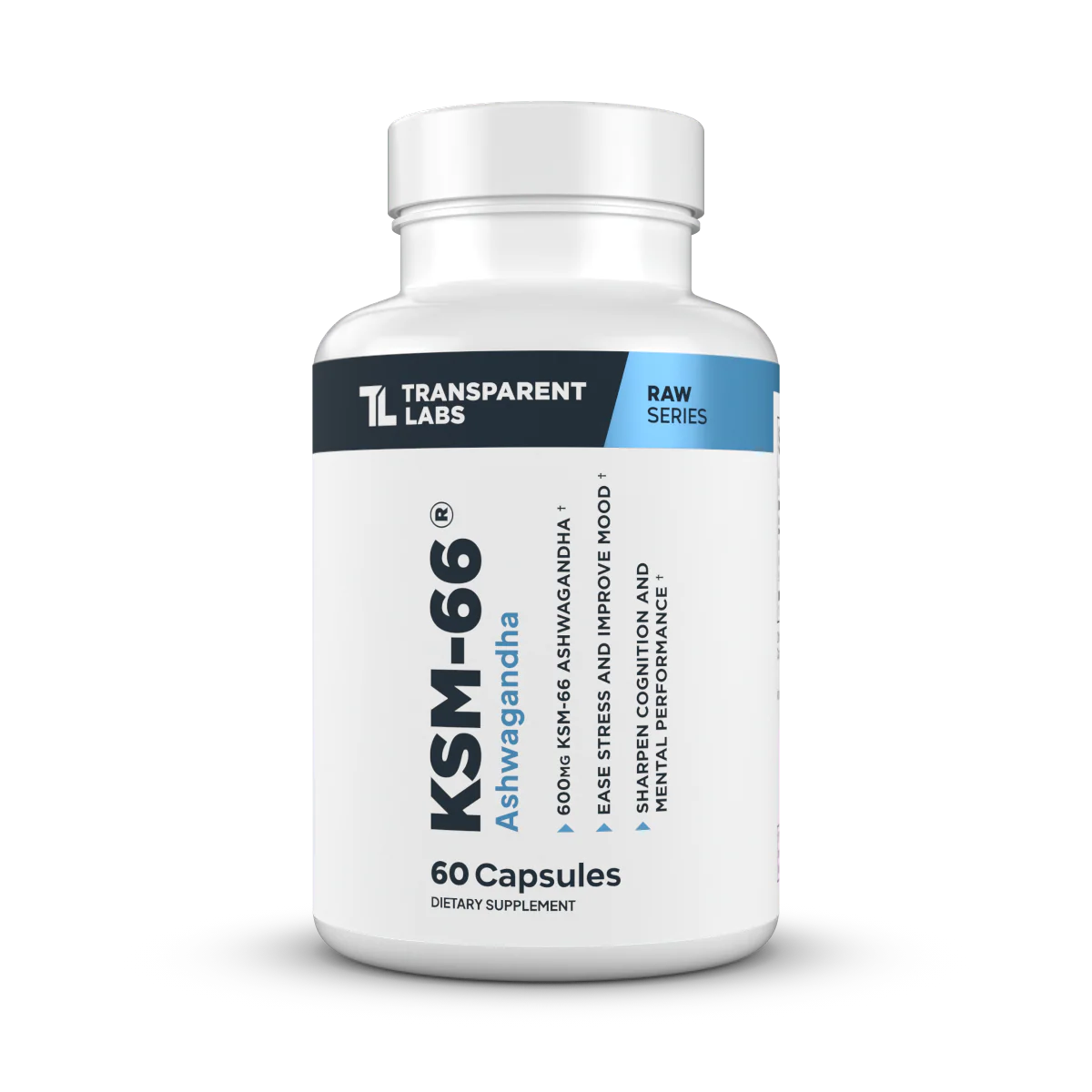
KSM-66 Ashwagandha
Stress down, sleep up. Stress and poor sleep feed each other in midlife. Several clinical trials of this extract, typically at 300 to 600 mg a day, suggest it can lower perceived stress and cortisol and help with falling asleep.
Monitoring
Start tracking, stop guessing
Quick guide: What you can measure, you can understand, and understanding your body is the first step to changing how you feel. Start with Cronometer, which is simple and free to begin. A glucose monitor is optional and not for everyone: use it as a short experiment, not a permanent habit.

Cronometer — Track Your Daily Protein
Log it. See it. Hit it. Hitting a daily protein target is hard to do by guesswork. Logging your meals for a couple of weeks shows you exactly where you stand, along with your wider diet, exercise and health data.

Continuous Glucose Monitor
Your body’s response, in real time. The same food can affect blood sugar very differently from one person to the next. A small sensor on your arm shows how your own body responds to meals, sleep, stress and exercise, so your food choices become personal, not generic.

12-week RCT — German Sports University Cologne
55 postmenopausal women were randomised into four groups: resistance training + high protein (2.5g/kg fat-free mass), training only, protein only, or control. At 12 weeks, resistance training drove significant gains in skeletal muscle mass and muscle thickness. Protein alone without training produced minimal benefit.1
1.2 – 1.6 g per kg/day
is the protein intake range now supported by the evidence as most appropriate for postmenopausal women aiming to preserve or build muscle — 50–100% higher than the standard recommended dietary allowance of 0.8g/kg/day! For a 65 kg woman this means 78–104 g of protein daily. For a 75 kg woman: 90–120 g. 2, 3
The Causes
Three reasons muscle loss accelerates in midlife
Mechanism 1
Protein requirements increase
With age and declining oestrogen, muscle becomes less sensitive to the protein and exercise signals that stimulate muscle protein synthesis — a phenomenon known as anabolic resistance. In practical terms, the same meal and training that maintained muscle at 35 may produce a weaker response at 52.
This isn’t a failure of effort. It means the stimulus needs to be stronger: more protein per meal and progressive resistance training can help overcome this reduced sensitivity.
Mechanism 2
The leucine threshold and protein meal timing
In midlife, muscle protein synthesis (MPS) depends not only on total daily protein, but also on getting enough leucine at each meal to trigger the mTOR pathway. Research suggests a threshold of around 2.5–3 g leucine, typically provided by 25–35 g of high-quality protein per meal.4
Rather than consuming most protein at dinner, aim to spread your intake across the day. Three meals providing 25–35 g of protein each can be more effective for muscle maintenance than backloading the same amount into one large meal.
Mechanism 3
Loss of muscle stem cells
Oestrogen is required to maintain muscle stem cells (satellite cells), which repair and regenerate muscle fibers. When oestrogen drops at menopause, satellite cells undergo cell death (apoptosis) and lose their ability to self-renew and differentiate — directly impairing the muscle’s capacity to maintain and rebuild itself.6
Muscle can also grow without satellite cells — resistance training expands existing fibers and builds more protein-making machinery directly. Declining satellite cells lower the ceiling and slow recovery, but they don’t close the door on building muscle.
3-8%
Muscle mass lost per decade after age 30 — accelerating significantly at the menopausal transition7
25-35g
Protein per meal needed to hit the leucine threshold for muscle protein synthesis 4
1 in 3
Women over age 50 are estimated to experience an osteoporotic fracture often requiring hospitalisation5
12 weeks
Time to measurable increases in muscle mass with combined resistance training and adequate protein1
What you can do
Five strategies for muscle health in midlife
The evidence base here is one of the most robust in all of midlife women’s health. These are not marginal lifestyle tips — they are clinically studied interventions with measurable outcomes in midlife women specifically. The science is clear: the combination of adequate protein and progressive resistance training is a highly effective strategy for maintaining muscle, strength and bone health, with a strong safety profile.





Strategy 01
Hit your protein target — and distribute it across every meal
The most important nutritional change most midlife women can make is eating enough protein — consistently, at every meal, every day. Not restricting calories. Not eliminating food groups. Getting an adequate, evenly distributed protein intake is the single most impactful dietary intervention available for body composition, muscle health, and metabolic rate after menopause.
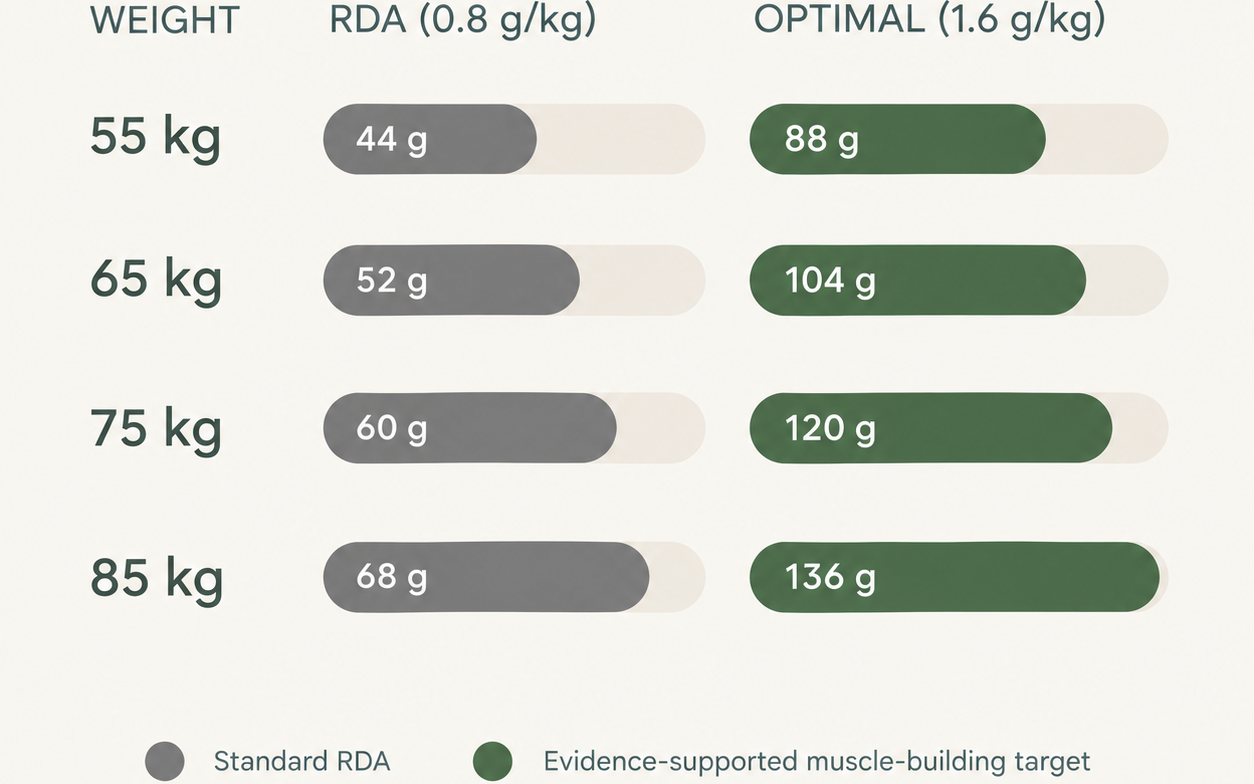

Aim for 25–35g of protein at every meal — across 3 meals per day
The leucine threshold requires approximately 25–35g of complete protein per meal to trigger muscle protein synthesis.4 In midlife, eating 10g at breakfast and 60g at dinner is significantly less effective than three balanced meals. Restructure every meal to anchor around a protein source first.

Prioritise complete, leucine-rich protein sources
Complete proteins provide all essential amino acids (EAA), including leucine. Good sources include whey, poultry, fish, eggs, Greek yoghurt, cottage cheese and edamame. Plant-based women can combine leucine-rich sources such as soy, lentils and hemp seeds, and may benefit from aiming toward the upper end of their protein range.

Track your intake for 1–2 weeks to establish your true baseline
Most women are genuinely surprised to discover how far below optimal their protein intake is. A food diary or tracking app used briefly — not permanently — reveals gaps and helps identify the most practical ways to increase intake without overhauling your entire diet.

The fastest protein upgrade — no diet overhaul needed
Add Greek yoghurt or cottage cheese to breakfast (+20g). Add a protein shake to your mid-morning routine (+24g). Double the protein portion at lunch. These three additions alone can increase daily protein by 60–70g without changing the structure of your meals.
Strategy 02
Start resistance training — your single most important exercise
Resistance training is the primary intervention for muscle preservation and building in postmenopausal women. It is more important than cardiovascular exercise for metabolic health, body composition, bone density, and long-term functional independence. The evidence is unambiguous — and the barrier to entry is genuinely low.

Train 3× per week, 30–45 minutes, full body each session
Three full-body sessions per week with at least one rest day between sessions is optimal for recovery and adaptation. Three 30-minute sessions produce significantly more benefit than one 90-minute session. Frequency matters more than duration.
Prioritise compound movements above all else
Squats, deadlifts, hip hinges, rows, presses, and lunges recruit multiple large muscle groups simultaneously. They produce the most functional strength. Include at least one lower body compound, one push, and one pull movement per session.
Apply progressive overload consistently
Progressive overload — gradually increasing the challenge on your muscles over time — drives muscle adaptation. No gym required: resistance bands, kettlebells, and dumbbells all work, as long as resistance or repetitions steadily increase.

Train to a genuinely challenging level of effort
For muscle-building stimulus, the final 2–3 repetitions of each set should feel genuinely difficult — not painful, but effortful. Training with a weight you could easily do 20 more reps with provides insufficient stimulus for muscle protein synthesis. This is one of the most common reasons women do not see body composition changes from resistance training despite being consistent.
Exercise and menopause symptoms
Multiple studies confirm that resistance training helps with more than strength. Research shows it reduces the severity and frequency of hot flushes, improves sleep quality more effectively than aerobic exercise, and eases a broad range of menopause symptoms overall. Staying active through midlife isn’t just about building muscle — it’s a genuine, evidence-backed way to feel better day to day.8,9,10
Strategy 03
Time your protein intake around training sessions
Protein timing — consuming protein close to training sessions — enhances the muscle protein synthesis response to exercise. The so-called „anabolic window“ is wider than previously thought (up to several hours), but consistency around training still meaningfully improves outcomes.
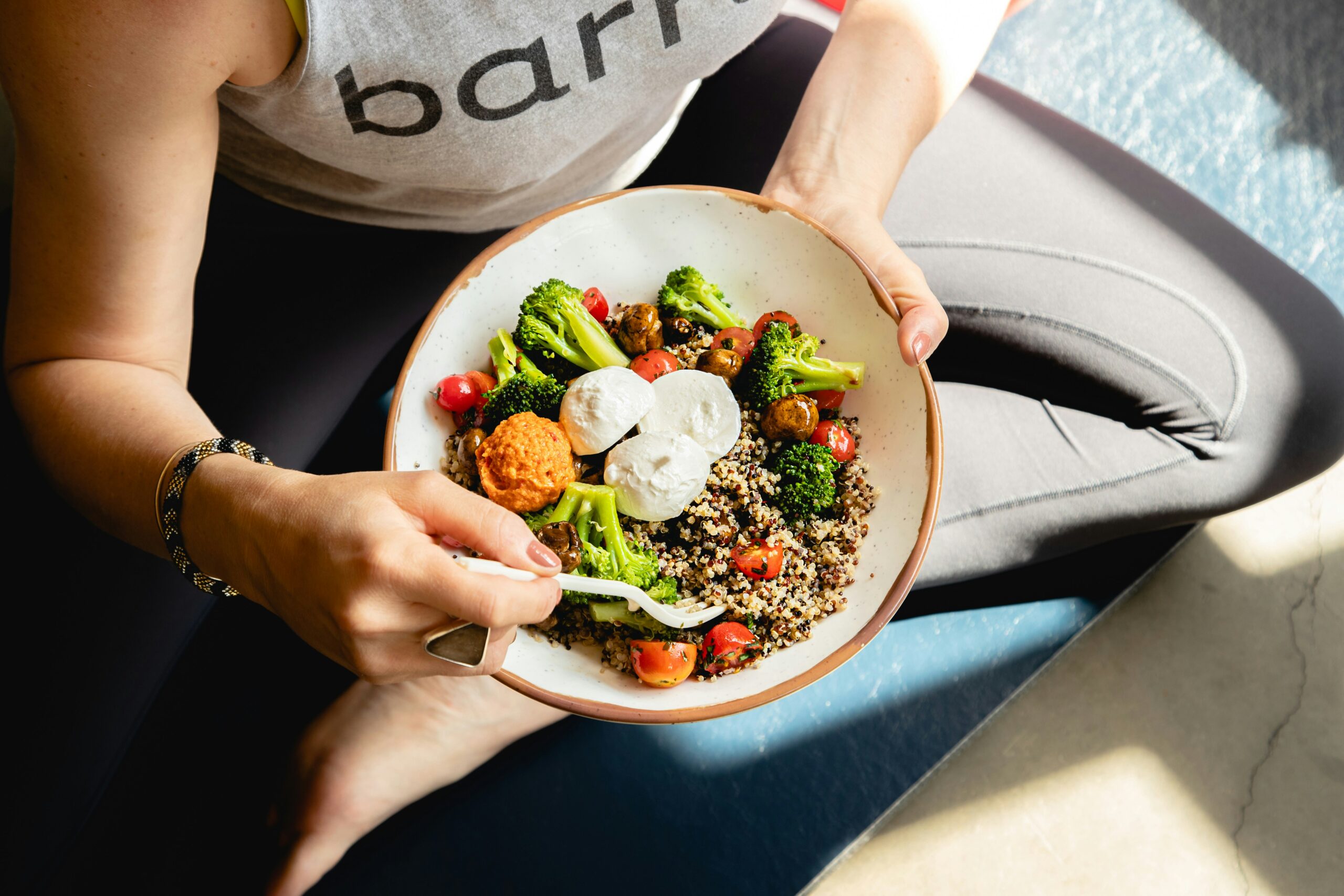
Consume 25–40g of protein within 2 hours of training
The post-exercise period elevates the sensitivity of muscle tissue to amino acids. A protein-rich meal or shake within this window maximises the training stimulus for muscle repair and growth. Whey protein is ideal post-workout for its rapid absorption; a balanced whole-food meal is equally effective if consumed within 2 hours.
Consider a pre-sleep protein dose on training days
Research demonstrated that consuming 40g of protein before sleep on training days significantly increased overnight muscle protein synthesis rates. Casein protein — found naturally in cottage cheese, casein powder, and Greek yoghurt — is ideal due to its slow-digesting profile, releasing amino acids gradually over 6–8 hours during sleep.11
The evidence-backed bedtime snack
180–225g of full-fat cottage cheese before sleep provides roughly 20–25g of slow-digesting casein protein, directly supporting overnight muscle protein synthesis. Casein’s slow digestion also promotes satiety, helping curb the late-night hunger that can otherwise disrupt a good night’s sleep.
Strategy 04
Protect muscle during calorie deficits — never restrict without protein targets
If weight loss is a goal, the approach to calorie restriction matters enormously for muscle preservation. Aggressive calorie restriction without adequate protein and resistance training causes the body to use muscle tissue for fuel — the opposite of the intended outcome, and a pattern that permanently lowers metabolic rate.
Calorie deficit done right
Patterns that destroy muscle
Strategy 05
Prioritise vitamin D and calcium — the foundational nutrients for bone and muscle in midlife
Bone and muscle depend on these nutrients together: calcium builds bone, while vitamin D enables its absorption and directly supports muscle function. Given the accelerated bone and muscle loss in midlife, keeping both adequate is a foundational step for long-term musculoskeletal health.

Vitamin D: aim for 600–800 IU/day (50–20 µg), more if deficient
Sunlight exposure triggers vitamin D production in the skin and food sources include fatty fish (salmon, sardines), egg yolks and fortified dairy or plant-based milk. Often, diet and sunlight may not provide enough, so supplementation can help. If you suspect a deficiency, ask your doctor about a 25-hydroxyvitamin D blood test; significant deficiencies may require a higher short-term dose under medical guidance.12
Calcium: aim for 1200mg/day, food first
Prioritise food sources such as milk, yoghurt, cheese, Quark, fortified plant milks, leafy greens and canned fish with bones. Food is generally preferable to supplements, as high-dose calcium supplements may carry potential cardiovascular risks. If your diet falls short, a modest supplement to cover the gap may be appropriate — more is not necessarily better, and excessive intake offers no additional bone benefit.13

Talk to a healthcare professional about your specific dose
Vitamin D and calcium needs vary meaningfully by individual — depending on baseline blood levels, sun exposure, kidney function, medication interactions, and existing bone density. Rather than guessing, a simple blood test and a conversation with your doctor can establish your actual baseline and the right dose for you — this is genuinely one area where personalised guidance matters more than a one-size-fits-all number.
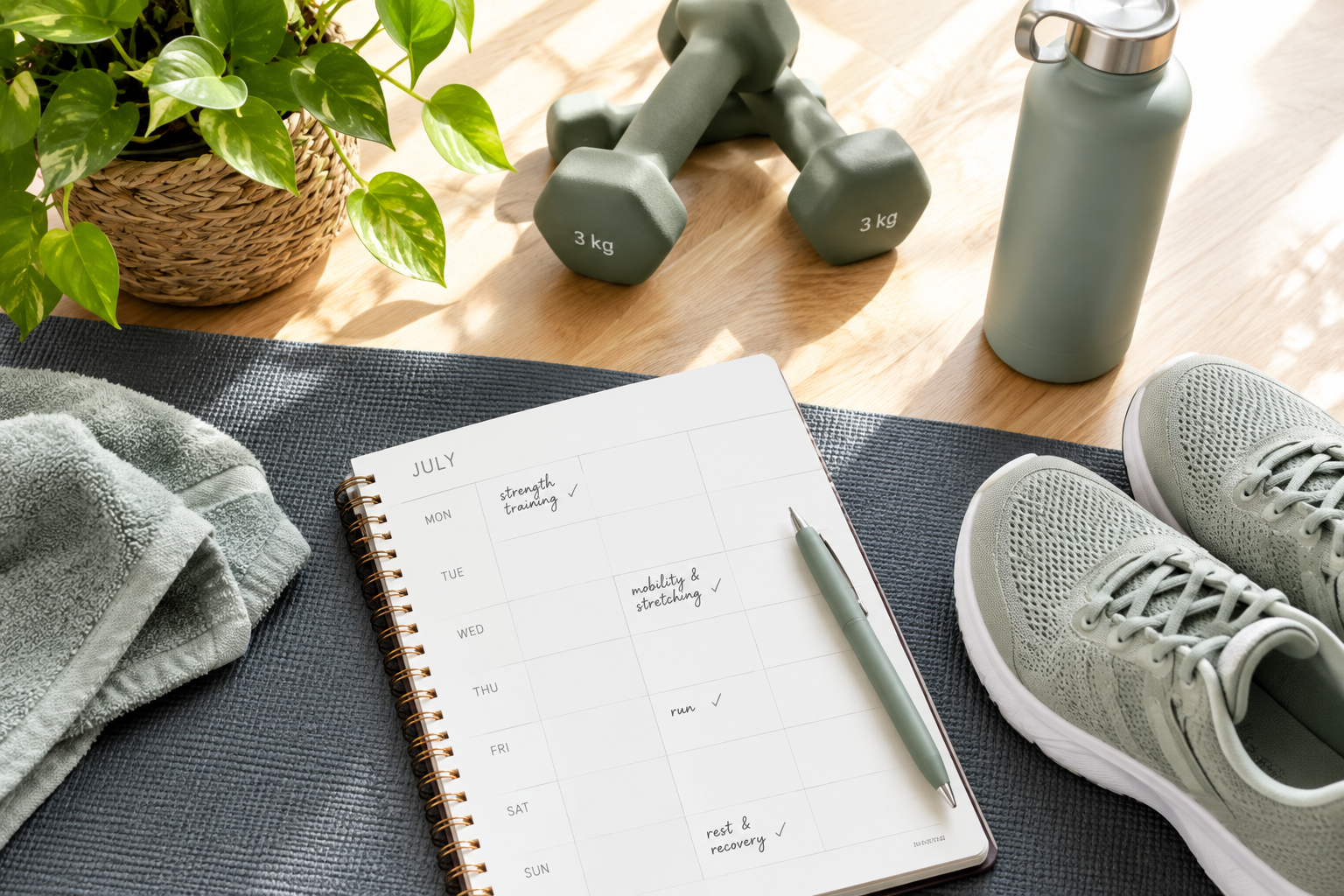
Your protein and muscle action plan — at a glance
A beginner-friendly starting point for strength training
Recommended tools
Tools and supplements to build your muscle health practice
Practical tools and evidence-informed products that directly support the strategies on this page.
Strength Training ToolS
Resistance Bands
A beginner-friendly starting point for strength training.
All-in-one Dumbbell Set
This multifunctional set converts into dumbbells, kettlebells, a barbell, weight plates, and a push-up stand — everything you need for presses, squats, lunges, and rows.
Adjustable Dumbbells
Already comfortable with dumbbell training? This pair adjusts from 5–88 lb per hand with a quick-turn dial
Protein
Whey Protein Powder—
Naked Whey
One ingredient: grass-fed whey protein, no added sugar, no artificial sweeteners, no fillers, easily-digestable.
Plant-based Protein —Naked Pea
One ingredient: yellow pea protein isolate, no added sugar, no artificial sweeteners, no fillers, easily-digestable, dairy-free.
High Protein Snacks
No time to prep? Grab a bar. Each one adds 12–28g of protein with little to no added sugar
Kitchen tools
Protein Smoothie Blender
A consistent protein habit depends on removing friction, not adding willpower. A blender with single-serve cups eliminates the prep and cleanup steps that cause protein shakes to get skipped on busy days.
Meal Prep Containers
Prepae structured meals with a consistent protein and vegetable base. Having the right meal ready when you need it makes it easier to support your health, even on your busiest days.
monitoring
Cronometer — Track Your Daily Protein
Hitting a daily protein target is hard to manage by guesswork alone. Cronometer removes that friction — log your meals to gain insight into your protein, along with your broader diet, exercise, and health data.
Supplement
NOW Vitamin D3 & K2 for Stronger Bones
NOW FOODS Vitamin D3 helps your body absorb calcium; Vitamin K2 directs it to your bones instead of your arteries. Together, they support bone density, dental health, and cardiovascular health — plus immune function from D3.
Explore all six topics


References
- Ioannidou P et al (2024): Analysis of combinatory effects of free weight resistance training and a high-protein diet on body composition and strength capacity in postmenopausal women – A 12-week randomized controlled trial. J Nutr Health Aging. 2024 Oct;28(10):100349. doi: 10.1016/j.jnha.2024.100349.
- Rizzoli R et al (2014): The role of dietary protein and vitamin D in maintaining musculoskeletal health in postmenopausal women: a consensus statement from the European Society for Clinical and Economic Aspects of Osteoporosis and Osteoarthritis (ESCEO). Maturitas. 2014 Sep;79(1):122-32. doi: 10.1016/j.maturitas.2014.07.005.
- Morton RW et al (2018): A systematic review, meta-analysis and meta-regression of the effect of protein supplementation on resistance training-induced gains in muscle mass and strength in healthy adults. Br J Sports Med. 2018 Mar;52(6):376-384. doi: 10.1136/bjsports-2017-097608.
- Layman DK. (2024): Impacts of protein quantity and distribution on body composition. Front Nutr. 2024 May 3;11:1388986. doi: 10.3389/fnut.2024.1388986.
- Agostini D et al (2018): Muscle and Bone Health in Postmenopausal Women: Role of Protein and Vitamin D Supplementation Combined with Exercise Training. Nutrients. 2018 Aug 16;10(8):1103. doi: 10.3390/nu10081103.
- Collins BC et al (2019): Estrogen Regulates the Satellite Cell Compartment in Females. Cell Rep. 2019 Jul 9;28(2):368-381.e6. doi: 10.1016/j.celrep.2019.06.025.
- Volpi E et al (2004): Muscle tissue changes with aging. Curr Opin Clin Nutr Metab Care. 2004 Jul;7(4):405-10. doi: 10.1097/01.mco.0000134362.76653.b2
- Choudhry DN et al (2024): The effect of resistance training in reducing hot flushes in post-menopausal women: A meta-analysis. J Bodyw Mov Ther. 2024 Jul;39:335-342. doi: 10.1016/j.jbmt.2024.03.018.
- Karandikar-Agashe G et al (2020): Comparative Study of the Effect of Resistance Exercises versus Aerobic Exercises in Postmenopausal Women Suffering from Insomnia. J Midlife Health. 2020 Jan-Mar;11(1):2-5. doi: 10.4103/jmh.JMH_35_19.
- Capel-Alcaraz AM et al (2023): The Efficacy of Strength Exercises for Reducing the Symptoms of Menopause: A Systematic Review. J Clin Med. 2023 Jan 9;12(2):548. doi: 10.3390/jcm12020548.
- Res PT et al (2012): Protein ingestion before sleep improves postexercise overnight recovery. Med Sci Sports Exerc. 2012 Aug;44(8):1560-9. doi: 10.1249/MSS.0b013e31824cc363.
- NIH Office of Dietary Supplements, Vitamin D Fact Sheet; Bislev et al., J Bone Miner Res, 2021
- Tang BM et al (2007): Use of calcium or calcium in combination with vitamin D supplementation to prevent fractures and bone loss in people aged 50 years and older: a meta-analysis. Lancet. 2007 Aug 25;370(9588):657-66. doi: 10.1016/S0140-6736(07)61342-7. Erratum in: Lancet. 2012 Sep 1;380(9844):806.
Free resource
Get the Perimenopause Starter Guide
Five science-backed changes to make this week — including how blood sugar fluctuations are driving your afternoon energy crashes, and the exact meal structure that stabilises them.